
How to Clean Second Floor Windows Safely: Expert Safety Tips for High Window Cleaning
Cleaning second floor windows can be a daunting task, especially when considering safety. Many homeowners struggle with the best methods to achieve a streak-free shine without compromising their safety. This article provides expert tips on how to clean second floor windows safely, ensuring you can maintain your home’s appearance without the risk of accidents. We will explore effective techniques, essential safety practices, and the best tools for the job. Additionally, we will discuss how to prepare for cleaning and highlight the importance of professional services in ensuring safety.
What Are the Best Safe Techniques for Cleaning Second Story Windows?
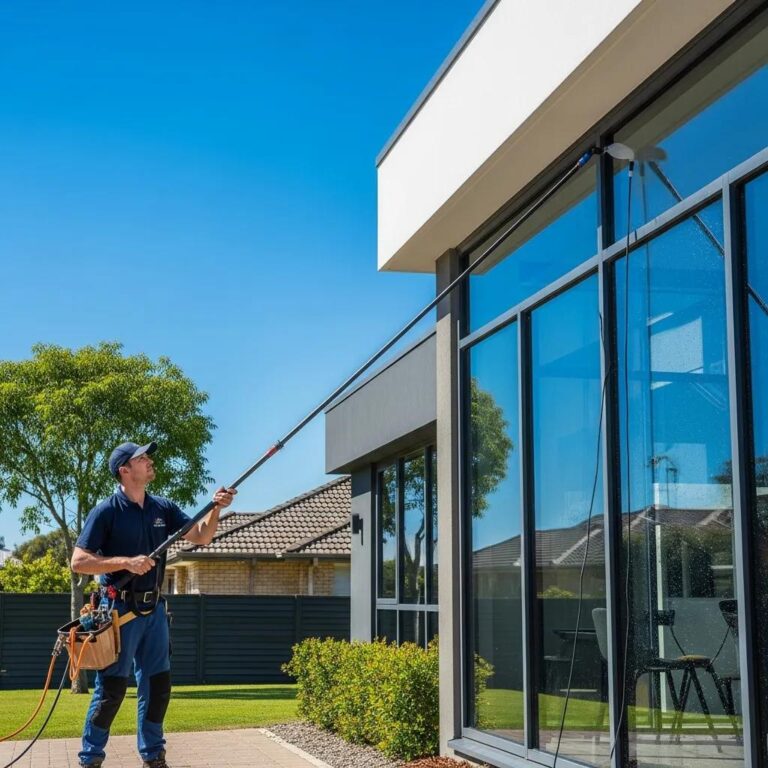
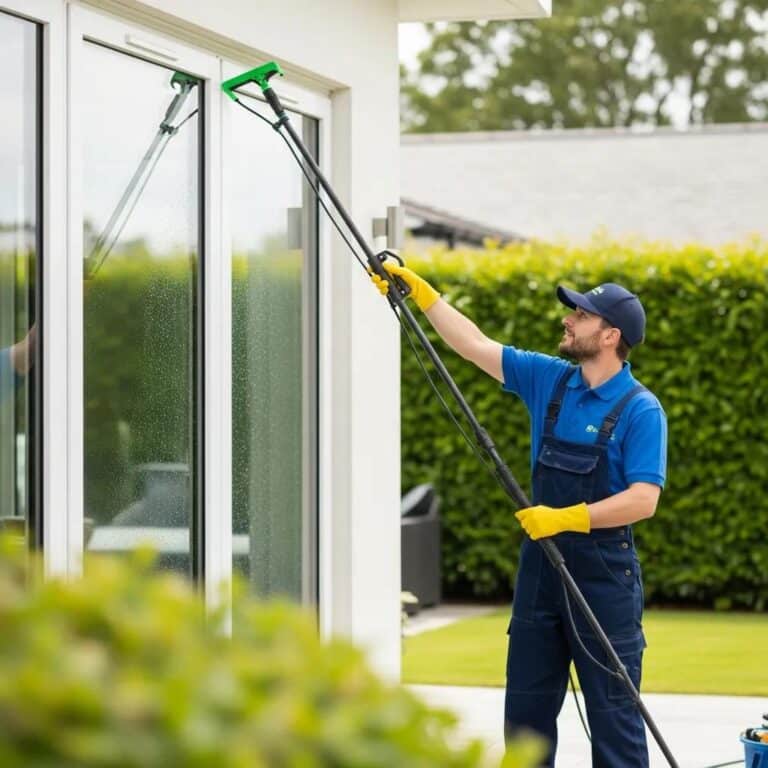
The best safe techniques for cleaning second story windows include using a water-fed pole system with pure water technology. This method allows window cleaners to reach high windows safely from the ground, utilizing deionized water that effectively removes dirt and dust without harsh chemicals. This approach is both environmentally friendly and safe for the property’s surroundings.
For those looking to clean their upstairs windows without using a ladder, ground-based cleaning methods are highly effective. Water-fed poles can extend up to 50 feet, allowing you to clean windows from a safe distance. This eliminates the risk of falls associated with ladder use.
How Can You Clean Upstairs Windows Without Using a Ladder?
Cleaning upstairs windows without a ladder is achievable through the use of water-fed pole systems. These systems utilize long poles that can reach high windows while keeping the user safely on the ground. The poles are equipped with brushes that scrub the glass, and the deionized water used ensures a streak-free finish. This method not only enhances safety but also improves efficiency, allowing for quicker cleaning without the need for repositioning a ladder.
Which Tools Are Most Effective for Safe High Window Cleaning?
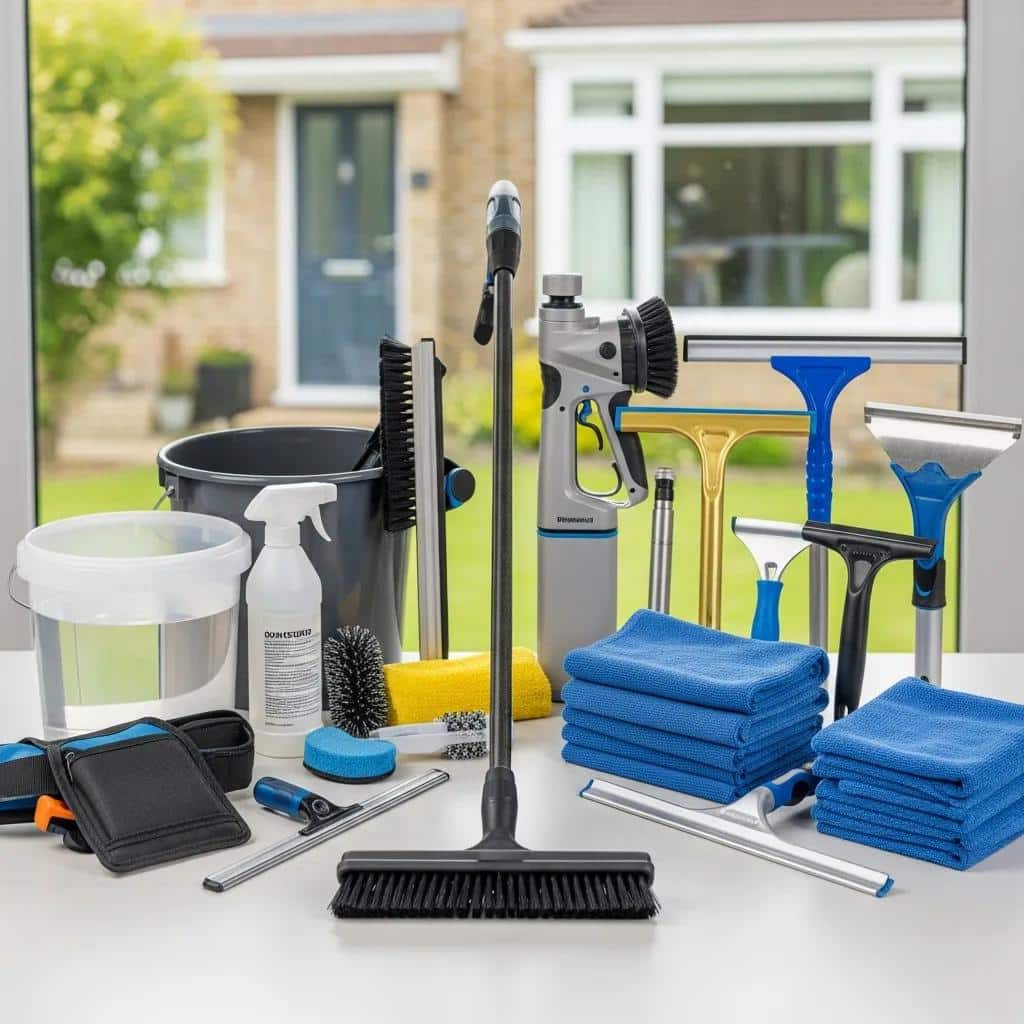
The most effective tools for safe high window cleaning include a water-fed pole system and pure water technology. The water-fed pole system allows cleaners to reach high windows safely from the ground, while pure water technology uses deionized water that removes dirt and dust more effectively than regular tap water, ensuring a streak-free clean without harsh chemicals. Additionally, using microfiber cloths and squeegees can help achieve a polished finish on the glass. For those looking to maintain sparkling windows at home, homemade window cleaning recipes can be an economical and eco-friendly alternative to store-bought solutions. These recipes often use simple ingredients like vinegar and water to create an effective cleaning mixture. Experimenting with different ratios can help you find the perfect blend for your glass surfaces.
What Professional Safety Practices Should You Follow When Cleaning Exterior Windows Upstairs?
When cleaning exterior windows upstairs, following professional safety practices is crucial. These practices ensure that the cleaning process is not only effective but also safe for the individual performing the task.
Professionals often use harnesses and safety gear to prevent falls. Regular training sessions are also essential to keep workers updated on the latest safety protocols and equipment usage.
How Do Professionals Ensure Safety While Cleaning Second Floor Windows?
Professionals ensure safety while cleaning second floor windows by employing various safety measures. They utilize harnesses and safety gear, which are critical in preventing falls. Additionally, they undergo regular training to stay informed about the best practices and equipment for high window cleaning. This training includes risk assessment and emergency response procedures, ensuring that they are prepared for any situation that may arise during the cleaning process.
What Are Essential Safety Equipment and Precautions for High Window Cleaning?

Essential safety equipment for high window cleaning includes harnesses, safety ropes, and helmets. These items are crucial for protecting workers from falls and other accidents. Before starting the cleaning process, it is important to conduct a thorough risk assessment to identify potential hazards, such as unstable surfaces or nearby electrical lines.
| Safety Equipment | Purpose | Precautions |
|---|---|---|
| Harnesses | Prevent falls | Ensure proper fit and secure attachment |
| Safety ropes | Provide support | Check for wear and tear before use |
| Helmets | Protect from falling objects | Wear at all times during cleaning |
This table highlights the importance of using appropriate safety equipment and taking necessary precautions to ensure a safe cleaning environment.
How Can You Prepare and Use the Best Tools for Cleaning Second Floor Windows Safely?
To prepare for cleaning second floor windows safely, you should clear windowsills of any items and provide clear access to the windows. The cleaning team can assist by moving any necessary furniture with your permission. This preparation ensures a swift and efficient cleaning process. For safety, consider using professional window cleaning services, as they are equipped with the right tools and expertise. When searching for qualified help, it’s wise to look for professional window cleaners in Maidstone who can tackle hard-to-reach areas safely. These experts not only ensure a clear view but also protect your property from potential damage caused by improper cleaning techniques. By hiring professionals, you can enjoy sparkling windows without the risk associated with doing it yourself.
What Are the Top Tools Recommended for Cleaning Upstairs Windows?
The top tools recommended for cleaning upstairs windows include water-fed pole systems, squeegees, and microfiber cloths. Water-fed pole systems allow for safe cleaning from the ground, while squeegees and microfiber cloths help achieve a streak-free finish. Using these tools in combination can significantly enhance the efficiency and safety of the cleaning process.
How Do You Maintain and Use Tools to Maximize Safety and Efficiency?
To maximize safety and efficiency, it is essential to maintain your cleaning tools regularly. This includes checking for any wear and tear, ensuring that brushes are clean, and replacing any damaged parts. Additionally, proper storage of tools when not in use can prevent accidents and prolong their lifespan. Always follow the manufacturer’s instructions for use to ensure optimal performance and safety.
What Exterior Window Cleaning Safety Tips Help Prevent Accidents on the Second Floor?
Preventing accidents while cleaning second floor windows requires careful planning and execution. Assessing risks before cleaning is crucial to identify potential hazards and ensure a safe working environment.
Common mistakes to avoid include overreaching while cleaning and ignoring safety equipment. By adhering to safety protocols and using the right tools, you can significantly reduce the risk of accidents.
How Should You Assess Risks Before Cleaning Second Story Windows?
Assessing risks before cleaning second story windows involves identifying potential hazards such as unstable surfaces, nearby electrical lines, and weather conditions. It is important to evaluate the environment and ensure that all safety measures are in place before beginning the cleaning process. This proactive approach can help prevent accidents and ensure a safe working environment.
What Are Common Mistakes to Avoid When Cleaning High Windows?
Common mistakes to avoid when cleaning high windows include overreaching while using tools, neglecting to wear safety equipment, and failing to secure ladders properly. These errors can lead to serious accidents and injuries. By being aware of these pitfalls and taking the necessary precautions, you can ensure a safer cleaning experience.