Residential vs Commercial Window Cleaning in the UK: Understanding Key Differences and Service Needs
Window cleaning is an essential aspect of property maintenance, whether for residential homes or commercial buildings. Understanding the differences between residential and commercial window cleaning can help property owners make informed decisions about their cleaning needs. This article will explore the key distinctions in service requirements, equipment used, safety regulations, and pricing structures for both types of window cleaning. By the end, readers will gain insights into how these differences impact the overall maintenance strategy for their properties.
What Are the Main Differences Between Residential and Commercial Window Cleaning?
The main differences between residential and commercial window cleaning include:
- Scope of Work: Commercial window cleaning often involves larger buildings such as retail shopfronts or multi-story office buildings, while residential cleaning typically focuses on homes.
- Frequency and Scheduling: Commercial services may require more frequent cleaning to maintain a professional appearance, whereas residential cleaning might be scheduled less often.
- Equipment and Techniques: Commercial window cleaning may utilize specialized equipment and techniques suited for high-rise buildings, while residential cleaning can often be done with standard tools.
- Impact on Business: For businesses, clean windows can significantly affect customer perception and first impressions, making it a crucial aspect of their maintenance strategy.
- Service Packages: Commercial services may offer comprehensive packages that include additional exterior cleaning needs beyond just windows, catering to the holistic maintenance of business properties.
These differences highlight the tailored approaches needed for residential versus commercial window cleaning.
How Do Property Size and Window Quantity Affect Cleaning Approaches?
The size of the property and the number of windows play a significant role in determining the cleaning approach. Larger properties often require specialized equipment, such as water-fed poles, to reach high windows safely. Additionally, the quantity of windows can affect the time and cost of cleaning, as more windows typically mean longer cleaning times and higher service fees. For instance, a multi-story office building will necessitate a different cleaning strategy compared to a single-family home, emphasizing the need for tailored services based on property specifics.
What Are the Distinct Goals of Residential vs Commercial Window Cleaning?
The distinct goals of residential vs commercial window cleaning are as follows:
- Residential Window Cleaning: The focus is on improving the property’s longevity and beauty, enhancing curb appeal, and preventing glass degradation from pollutants. It reflects the care homeowners put into their property.
- Commercial Window Cleaning: The primary goal is to create a professional appearance that attracts customers and enhances the business’s image. Clean windows signal professionalism and can significantly impact client perceptions, allowing business owners to focus more on their operations with fewer maintenance worries.
Which Equipment and Techniques Are Used for Residential and Commercial Window Cleaning?
Different tools and techniques are employed in residential and commercial window cleaning to address their unique challenges. In recent years, there has been a notable shift towards ecofriendly window cleaning solutions, which prioritize both cleanliness and environmental sustainability. These products not only ensure clear views but also reduce the impact on local ecosystems. As more businesses and homeowners become conscious of their environmental footprint, the demand for such solutions continues to rise. In addition to ecofriendly options, utilizing effective methods for window cleaning can significantly enhance the overall shine and clarity of glass surfaces. Techniques such as the use of squeegees, microfiber cloths, and specialized cleaning solutions contribute to a streak-free finish. Many professionals also recommend cleaning windows during overcast days to prevent the sun from drying solutions too quickly, ensuring optimal results.
What Tools Are Commonly Used in Residential Window Cleaning Services in Kent?

Residential window cleaning typically utilizes standard tools such as squeegees, buckets, and ladders. These tools are effective for single-story homes and smaller properties, allowing cleaners to access windows easily and perform thorough cleaning without the need for specialized equipment. The simplicity of these tools makes them ideal for homeowners who may prefer to maintain their windows themselves.
What Specialised Equipment Is Required for Commercial Window Cleaning in the UK?
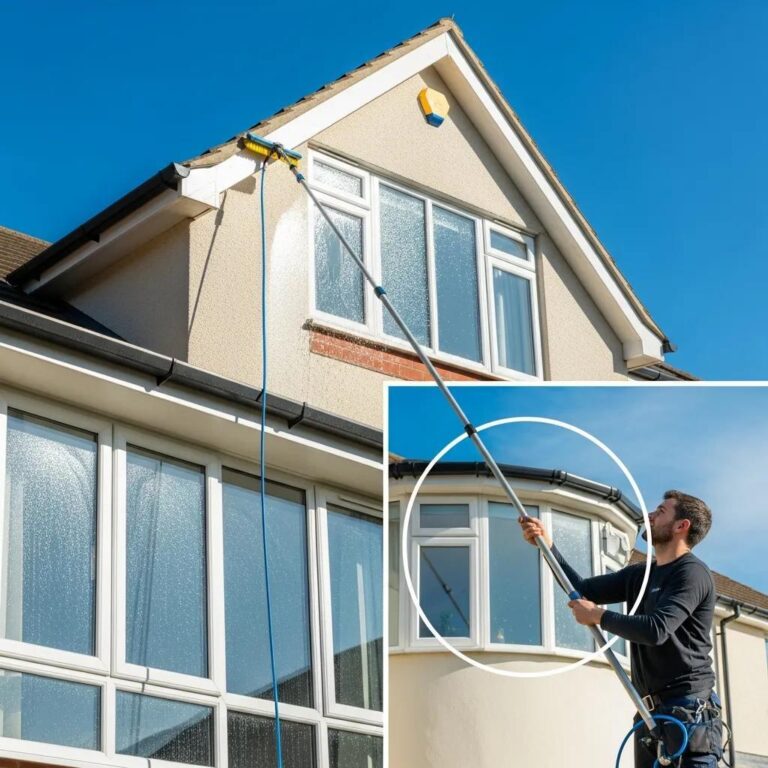
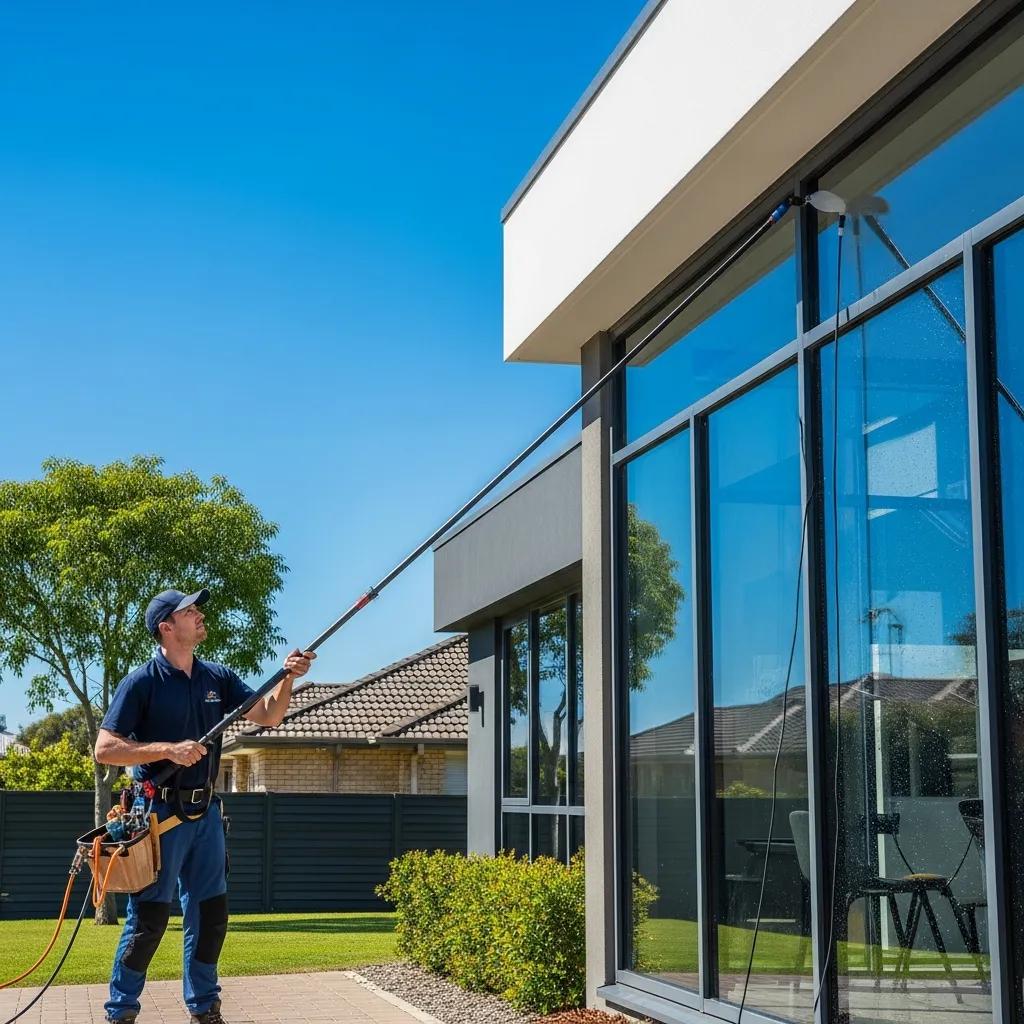
The specialised equipment required for commercial window cleaning in the UK includes a water-fed pole system and pure water technology, which utilizes deionized water to effectively clean windows without harsh chemicals. This equipment is essential for high-rise buildings, where safety and efficiency are paramount. The use of advanced technology not only ensures a streak-free finish but also minimizes the environmental impact of cleaning solutions.
How Do Safety Regulations Differ Between Commercial and Residential Window Cleaning?
Safety regulations are critical in ensuring the well-being of workers in both residential and commercial window cleaning.
What Safety Measures Are Essential for Commercial Window Cleaning Under UK Law?

For commercial window cleaning, strict safety measures are mandated under UK law, including compliance with the Work at Height Regulations 2005. This includes the use of personal protective equipment (PPE), risk assessments, and proper training for workers. These regulations are designed to prevent accidents and ensure that cleaning is conducted safely, especially when working at heights.
How Are Residential Window Cleaning Safety Practices Managed Differently?
In contrast, residential window cleaning safety practices are generally less stringent. Homeowners and residential cleaners are not legally required to follow the Work at Height Regulations 2005 unless working at height themselves, but basic safety measures should still be observed. This includes using ladders safely and ensuring that the cleaning area is free from hazards. While the risks are lower, homeowners and cleaners should still prioritize safety to prevent accidents during cleaning.
What Are the Typical Costs and Pricing Structures for Commercial vs Residential Window Cleaning in the UK?
Understanding the costs associated with window cleaning services is essential for budgeting and planning.
How Is Residential Window Cleaning Priced in Kent and Surrounding Areas?
Residential window cleaning in Kent is typically priced based on the number of windows, the size of the property, and the frequency of cleaning. On average, homeowners can expect to pay between £40 to £100 for a standard cleaning service, depending on these factors. Regular maintenance can also lead to discounts, making it more economical for homeowners to schedule cleanings on a consistent basis.
What Factors Influence the Cost of Commercial Window Cleaning Services in the UK?
The cost of commercial window cleaning services in the UK is influenced by several factors, including building size, height, and the frequency of cleaning required. Larger buildings or those with more complex architectural features may incur higher costs due to the need for specialised equipment and additional labor. Service contracts that include regular cleaning schedules can also affect pricing, often providing cost savings for businesses that commit to ongoing services.
| Service Type | Pricing Structure | Factors Influencing Cost |
|---|---|---|
| Residential Window Cleaning | £40 – £100 per service | Number of windows, property size, frequency |
| Commercial Window Cleaning | Variable, often £100+ | Building size, height, service contracts |
This comparison illustrates the distinct pricing structures for residential and commercial window cleaning, highlighting the factors that contribute to cost variations.